 CTICases
Post-Transplant Lymphoproliferative Disorder (PTLD), Polyclonal Polymorphic Type
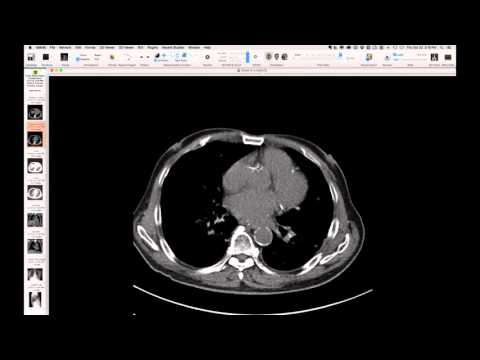 ▶ Watch on YouTube — age-restricted, cannot embed here
[...]. Post-Transplant Lymphoproliferative Disorder (PTLD), Polyclonal Polymorphic Type. CTICases. Published October 22, 2015. https://cticases.com/c/u7a3s
Imaging findings
Numerous peribronchovascular and angioentric nodules are present, many of which are peripheral, some exhibiting air bronchograms and airway passages. The extent and severity of disease are significant.
Key takeaways
This case demonstrates a florid presentation of Post-Transplant Lymphoproliferative Disorder (PTLD) in a renal transplant recipient, characterized by extensive pulmonary nodules. Despite the severe imaging findings, the pathology revealed a polyclonal polymorphic proliferation, which carries a better prognosis compared to monomorphic types, illustrating the spectrum of PTLD and its variable clinical course.
AI-assisted summary — may contain errors. Verify against the source video. Learn more
More from this webinar
- Interrupted Aortic Arch, Type A with Aortopulmonary WindowCongenital
- Interrupted Aortic Arch, Type B Variant with Aberrant Subclavian ArteriesCongenital
- Primary Effusion Lymphoma (PFL) in HIV-Positive PatientNeoplastic
- Apical Hypertrophic Cardiomyopathy with Apical AneurysmCongenital
- Double Saddle Pulmonary EmbolismVascular
- Primary Coccidioidomycosis with CavitationInfection
- Disseminated CoccidioidomycosisInfection
- Isolated Pulmonary Cryptococcosis in an Immunocompetent PatientInfection
See all cases from October 22, 2015 →