 CTICases
Granulomatous-Lymphocytic Interstitial Lung Disease
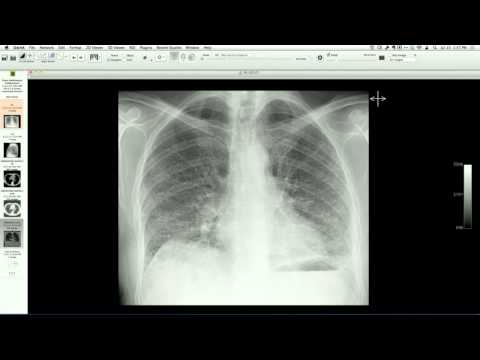 ▶ Watch on YouTube — age-restricted, cannot embed here
[...]. Granulomatous-Lymphocytic Interstitial Lung Disease. CTICases. Published July 17, 2014. https://cticases.com/c/wsm4p
Imaging findings
Chest CT of a patient with combined variable immunodeficiency (CVID) shows basilar-predominant, bronchovascular and subpleural nodular opacities, many with surrounding ground-glass halos. Splenomegaly is also visualized on the abdominal portions of the scan.
Key takeaways
Granulomatous-lymphocytic interstitial lung disease (GLILD) is a rare, non-infectious pulmonary manifestation of CVID that pathologically shares features with both sarcoidosis and lymphoid interstitial pneumonia (LIP). Early recognition is crucial as it typically responds to systemic immunosuppression or immunomodulatory therapy rather than antibiotics.
AI-assisted summary — may contain errors. Verify against the source video. Learn more
More from this webinar
- Aortic Arch DissectionVascular
- Sclerosing PeriaortitisInflammatory
- Hypoplastic Left Heart Syndrome (Post-Norwood and Sano Shunt)Congenital
- Tetralogy of Fallot with Ductal Origin of the Left Pulmonary ArteryCongenital
- Migrating Pleural Mesothelial CystCongenital
- Chronic Diaphragmatic RuptureTrauma
- Bronchopulmonary DysplasiaCongenital
- Aortic Coarctation with Bicuspid Aortic ValveCongenital
See all cases from July 17, 2014 →