 CTICases
Bronchopulmonary Dysplasia
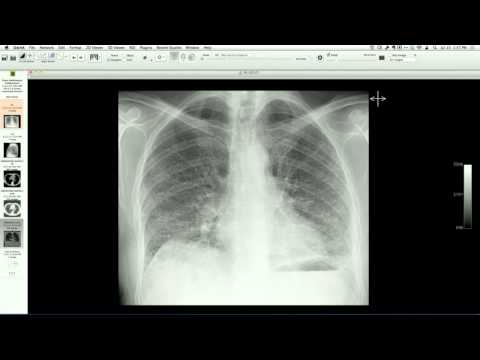 ▶ Watch on YouTube — age-restricted, cannot embed here
[...]. Bronchopulmonary Dysplasia. CTICases. Published July 17, 2014. https://cticases.com/c/f7rsd
Imaging findings
High-resolution chest CT in a 27-year-old with a history of extreme prematurity reveals baseline-predominant panlobular emphysema-like changes, bronchiectasis, bronchial wall thickening, and centrilobular tree-in-bud nodularity. Expiratory CT images demonstrate mosaic attenuation and air trapping, consistent with superimposed small airways obstruction.
Key takeaways
Bronchopulmonary dysplasia (BPD) is a chronic lung disease of prematurity that can result in persistent respiratory issues in adulthood. Adult survivors of BPD often show emphysema-like lung destruction (panlobular in appearance but not related to alpha-1 antitrypsin deficiency), bronchiectasis, and signs of constrictive or obliterative bronchiolitis resulting in air trapping.
AI-assisted summary — may contain errors. Verify against the source video. Learn more
More from this webinar
- Aortic Arch DissectionVascular
- Sclerosing PeriaortitisInflammatory
- Hypoplastic Left Heart Syndrome (Post-Norwood and Sano Shunt)Congenital
- Tetralogy of Fallot with Ductal Origin of the Left Pulmonary ArteryCongenital
- Migrating Pleural Mesothelial CystCongenital
- Chronic Diaphragmatic RuptureTrauma
- Granulomatous-Lymphocytic Interstitial Lung DiseaseILD
- Aortic Coarctation with Bicuspid Aortic ValveCongenital
See all cases from July 17, 2014 →