 CTICases
Aortic Coarctation with Bicuspid Aortic Valve
 ▶ Watch on YouTube — age-restricted, cannot embed here
[...]. Aortic Coarctation with Bicuspid Aortic Valve. CTICases. Published July 17, 2014. https://cticases.com/c/czha8
Imaging findings
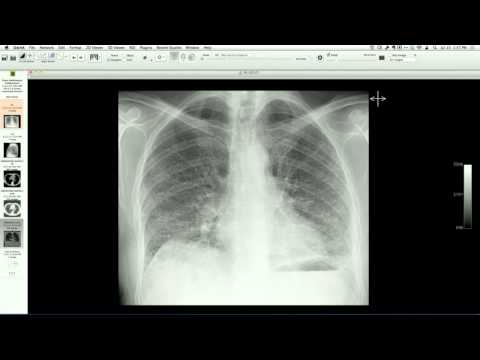
CT angiography demonstrates a severe coarctation of the aorta distal to the origin of the left subclavian artery. Extensive, tortuous collateral vessels (including internal mammary and intercostal arteries) bypass the stenosis to reconstitute the descending aorta, and a bicuspid aortic valve is present.
Key takeaways
Aortic coarctation is a congenital narrowing of the aorta that typically presents with upper extremity hypertension and lower extremity hypoperfusion. The presence of extensive intercostal and internal mammary arterial collaterals is a sign of hemodynamic significance, and it is frequently associated with other congenital cardiac anomalies, particularly a bicuspid aortic valve.
AI-assisted summary — may contain errors. Verify against the source video. Learn more
More from this webinar
- Aortic Arch DissectionVascular
- Sclerosing PeriaortitisInflammatory
- Hypoplastic Left Heart Syndrome (Post-Norwood and Sano Shunt)Congenital
- Tetralogy of Fallot with Ductal Origin of the Left Pulmonary ArteryCongenital
- Migrating Pleural Mesothelial CystCongenital
- Chronic Diaphragmatic RuptureTrauma
- Bronchopulmonary DysplasiaCongenital
- Granulomatous-Lymphocytic Interstitial Lung DiseaseILD
See all cases from July 17, 2014 →