 CTICases
Thoracic Spine Discitis-Osteomyelitis and Paraspinal Abscess due to Disseminated Mycobacterium avium complex
 ▶ Watch on YouTube — age-restricted, cannot embed here
[...]. Thoracic Spine Discitis-Osteomyelitis and Paraspinal Abscess due to Disseminated Mycobacterium avium complex. CTICases. Published July 7, 2014. https://cticases.com/c/6w35p
Imaging findings
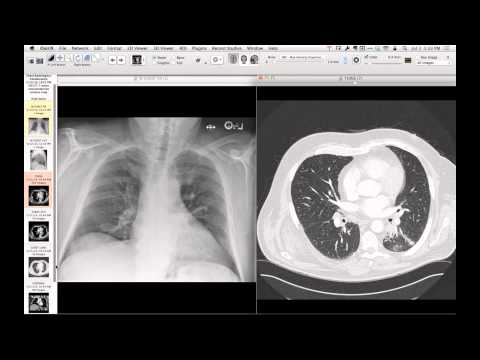
Chest radiography reveals subtle paraspinal line widening and loss of a thoracic disc space. Follow-up radiographs taken two weeks later show progressive loss of the disc space and a large, expanding paravertebral mass. Magnetic resonance imaging of the thoracic spine demonstrates extensive discitis and osteomyelitis with a large paraspinal/paravertebral abscess and epidural phlegmon extending into the spinal canal with associated marrow edema.
Key takeaways
Discitis-osteomyelitis is a disc-centered infectious process of the spine that should be suspected when a patient presents with paraspinal line widening and disc space narrowing on chest radiographs. While atypical mycobacteria like Mycobacterium avium complex are rare causes of spinal infections compared to Mycobacterium tuberculosis, disseminated MAC can present with severe, multi-drug resistant skeletal destruction in patients with advanced HIV/AIDS.
AI-assisted summary — may contain errors. Verify against the source video. Learn more
More from this webinar
- Spontaneous Pneumomediastinum and Pneumoretroperitoneum due to Macklin PhenomenonOther
- Right Ventricular Perforation and Pericardial Contrast InjectionIatrogenic
- Esophagopericardial FistulaOther
- Congenital Hypoplasia of the Right Upper LobeCongenital
- Goodpasture Syndrome (Anti-GBM Disease)Autoimmune
- Behçet Syndrome with Multiple Pulmonary Artery AneurysmsAutoimmune
- Left Ventricular Pseudoaneurysm post-TAVRIatrogenic
- Typical Bronchial CarcinoidNeoplastic
See all cases from July 7, 2014 →